


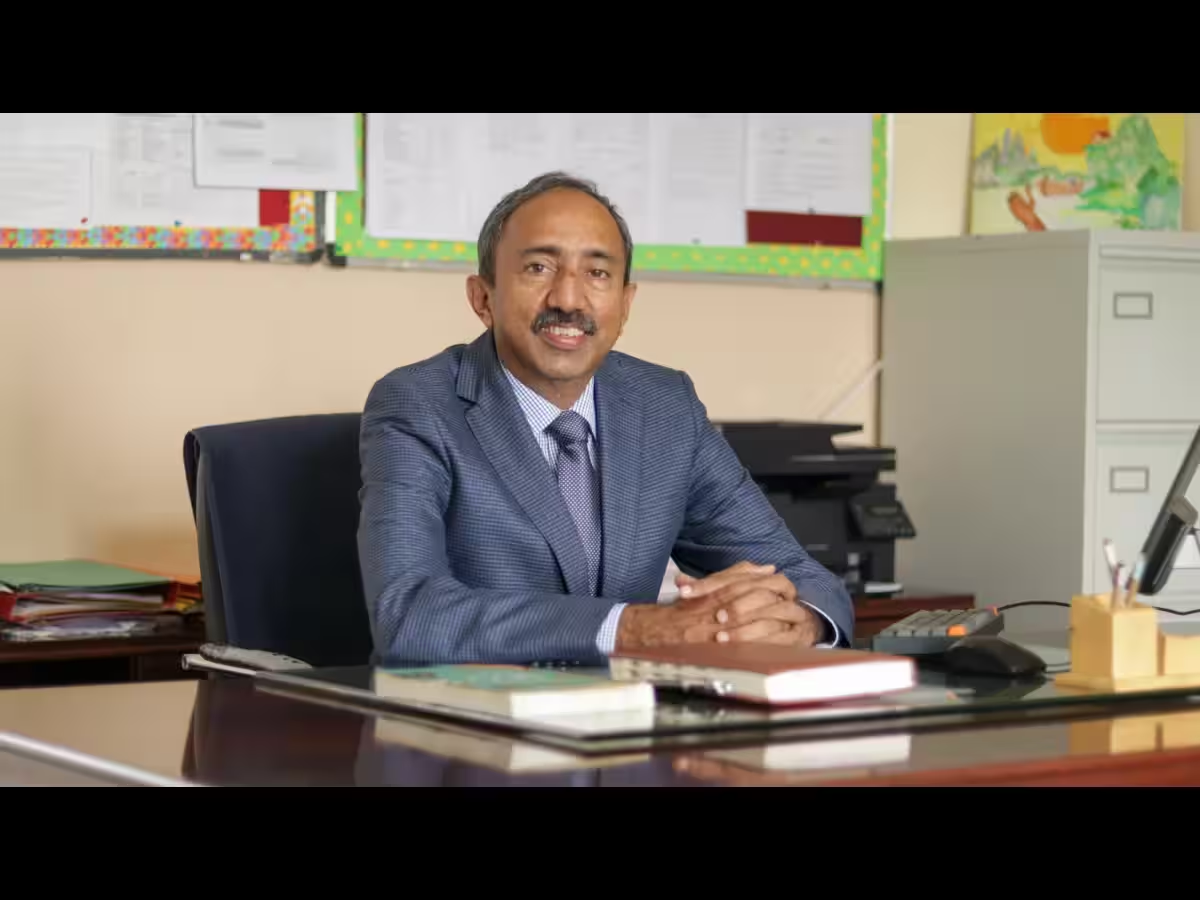
By Col K Krishna Menon (Retd)India has moved beyond the debate of significance of education. The issue that now needs attention is how education is defined. As India takes stock of its experience with the education process, the focus cannot continue to be limited to classrooms, enrolment numbers and attendance records. Issues that are confronting us are essentials of learning itself; are children learning to learn, comprehend and apply. The Right to Education (RTE) act, the mid-day meal scheme and a slew of other government initiatives has seen a major leap in universalising education within the country. Government data available on the UDISE+ portal shows that India has been able to achieve a gross enrolment ratio of almost 100 percent in elementary education. However, access is only the first step. The harder task is to ensure that children gain knowledge and skills to improve their prospects. The National Education Policy (NEP) 2020 already recognises this shift, moving the focus beyond curriculum completion towards competencies, conceptual understanding, critical thinking, communication and application of learning. There is another important dimension of the RTE Act that deserves attention. Section 12 requires specified-category and unaided private schools to admit at least 25 percent of children at the entry level from disadvantaged groups and weaker sections. Thus, RTE act sought to both universalise education and create socially inclusive classrooms. But bringing children into the same classroom does not automatically equalise their educational experience. Every classroom has children who start at different starting points. In a well-resourced, socially inclusive school, students from a wider range of socio-economic backgrounds learn together. Some have richer exposure outside school and parents who are familiar with the education system and can readily reinforce what happens at school. Others may be the first in their family to navigate formal education at this level. These differences are shaped by the systemic inequalities in the larger society that influence a child’s journey outside school. The differences in exposure and opportunity are not only evident at the beginning of a child’s educational journey but can become increasingly pronounced over time. Schools may be the fundamental source of learning for all children, but unless we understand how learning trajectories are influenced by the home environment and opportunities and exposure out of school, equal access may not mean a level playing field. The RTE has certainly helped in getting the same access. The challenge however is to provide the additional support that some children may need. It is here that understanding equality and equity becomes relevant. Equality can ensure same educational opportunity, but equity entails recognising the differences that influence the learning trajectories and doing what it takes to ensure children benefit from the opportunity.Recognising different starting levels is the first step. Learning to navigate an unfamiliar social environment and a difficult learning environment at home compounds the challenge. Even something as simple as sharing holiday experiences in a class could be a cause of discomfort for some. Here, a teacher is expected to understand these complexities, adapt the teaching methodology, cater for additional support and most of all also drive the class forward. If inclusive classrooms are an important part of the promise of RTE, are schools and the larger educational ecosystem ready to recognise and invest in the work of equity rather than leave it as an invisible burden on individual teachers. This additional support could be viewed in three dimensions: academic, developmental and relational. Academic supports could include after-school programs, pull-out sessions, bridging classes, holiday learning supports etc. Active engagement in sport, music, art, leadership and collaborative activities can help children bond, discover strengths and build identities beyond academic performance. Relational supports like counselling and mentoring for emotional wellbeing and social skills could help adapt to the environment. The objective is to create an additional layer of support and reinforcement, for children whose circumstances provide fewer supports outside school. The enabling required may invariably need to be extended to parents of the underserved children as well. Helping parents understand what is expected of children and how to support them at home could be a big enabler especially for parents of first-generation learners. It can help the parents build confidence and understanding so that home and school can work together more effectively. Simple guidance on routines, learning spaces, reading, communication, study habits, responding to feedback and encouraging the child’s interests can make the support around a child more consistent. Inclusion should also be factored into the overall culture of the school so that all stakeholders, including all parents, experience acceptance, inclusion and belonging. If we bring children from a wider socio-economic spectrum together in the same classroom, we should be prepared to invest in creating a supportive environment that enables each child to seize that opportunity. India has travelled a considerable distance from access to attendance. The next chapter must focus on quality of learning and equity—so that the Right to Education becomes not merely a promise of schooling, but a promise of meaningful education and opportunity for all. Col K Krishna Menon (Retd) is the Program Director of Ankur at SFPI.DISCLAIMER: The views expressed are solely of the author and ETEDUCATION does not necessarily subscribe to it. ETEDUCATION will not be responsible for any damage caused to any person or organisation directly or indirectly.












Leave a comment