

Samsung probably isn't rebranding One UI as Galaxy OS
A bunch of recent rumors have suggested Samsung has some changes in store for its smartphone interface.
One UI has been a Samsung staple since 2018, bringing a similar set of features and interface designs across all of the company's devices. Recently, rumors began swirling that a big change was in the works that may do away with One UI entirely, but that doesn't mean One UI's days are actually numbered. While big changes may still be on the way for the next iteration of Samsung's unified UI, it's likely the name itself isn't going anywhere for now.
The rumors started on October 11, with a post on X from user phonefuturist, claiming that the next version of Samsung's interface would lean more heavily on AI. The post referred to the UI as Galaxy OS, and phonefuturist later clarified that that's the term used by their unnamed sources. Multiple publications picked up the story, claiming that Galaxy OS was a new software package intended to replace One UI and the rumor grew from there.
Why the Galaxy OS rumors might not hold up
On its face, there's nothing outrageous about the rumor. There's been no official denial from Samsung and no reporting showing that it's not true. In line with a lot of consumer tech, One UI has integrated more AI features over time, and it's likely that trend will continue with its next iteration. This wouldn't even be the first time Samsung retired an old interface to replace it with a new one, since One UI itself was preceded by Samsung Experience and TouchWiz.
After the first wave of stories, the original source made it clear that One UI wasn't being replaced and characterized the message that it was as a translation error. But it's worth looking at why the rumor could have raised some red flags earlier for the next time unverified leaks come across your feed. The first sign to approach a rumor with some skepticism is that it relies entirely on vaguely defined "sources" and comes from someone without a solid track record of reliable information. Secondly, it's not backed up by any official word from Samsung or deeper reporting to corroborate it. Reports on the rumor often tied the supposed leak to another, equally vague rumor that One UI 10 would bring "significant changes," which can make both rumors look more legitimate even if they aren't actually building on each other.
One UI is probably too important to replace right now
None of this is to say that big changes are out of the question for One UI or that Samsung won't one day replace it with something new. But without believable information to the contrary, it makes sense to assume that Samsung isn't going to retire One UI without a good reason. And right now, One UI just seems to be going too well to warrant a name change. Though if Galaxy OS does turn out to be real, it feels more likely that it'll be a re-brand of the One UI rather than a wholesale change.
Not every piece of One UI is going to appeal to every user, but overall, the interface has been a big hit for Samsung. While its predecessor, TouchWiz, was not particularly well received, One UI is widely considered among the best Android skins out there. From the beginning, Samsung designed One UI to make using your phone with one hand easy, and it's largely stuck to that formula, adapting its designs as phones get larger.
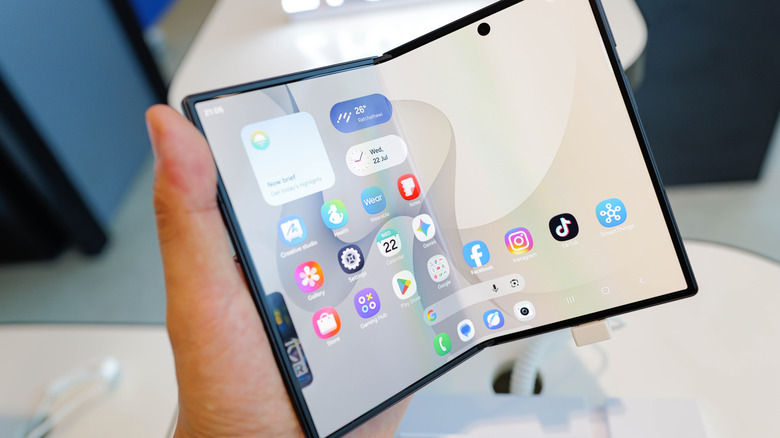
Calling it a UI might make it sound like One UI is just an interface, but it actually encompasses a whole software package that covers everything from screenshot editing to weather apps. Some users have issues with One UI's performance and find its software suite bloated, but it's nonetheless popular for its large feature set and customizability. Just as rumors of a replacement cropped up, Samsung was in the middle of a rollout for One UI 9, which improves support for foldable phones and more device form factors and has been well received.
Replacing One UI now would mean changing a software ecosystem across all of Samsung's phones and tablets when the current iteration is mostly going well. It's not impossible, but until Samsung say otherwise, there's no reason to believe it's truly happening.